Robotic Knee Replacement in Jaipur: How Does It Work and Who Needs It?
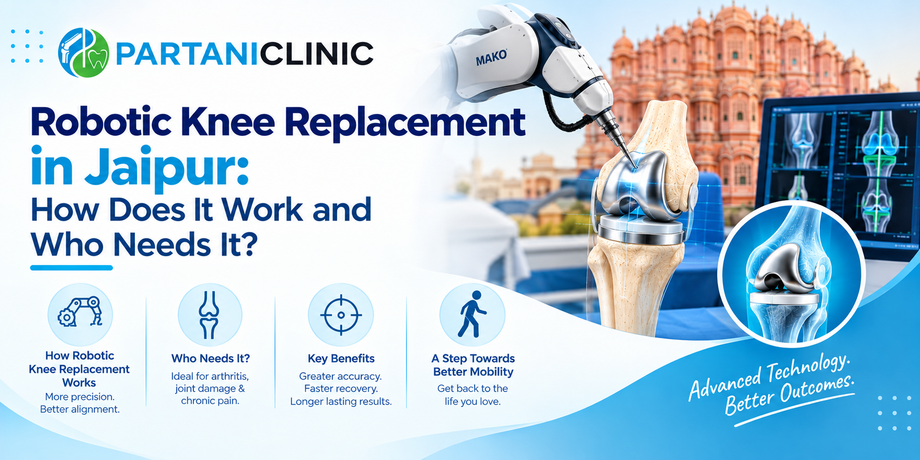
Knee pain caused by arthritis can make everyday activities such as walking, climbing stairs or getting up from a chair increasingly difficult. For people who have not found relief from medicines, physiotherapy, injections or lifestyle changes knee replacement may be considered. Today robotic-assisted surgery is adding precision to the procedure. Patients looking for the Best Knee Replacement in Jaipur may come across knee replacement as an advanced option for treating severe knee joint damage.
What Is Robotic Knee Replacement?
Robotic knee replacement is a form of knee replacement surgery that uses computer-assisted technology to help the surgeon plan and perform the procedure. It does not mean that a robot independently performs the surgery. Instead the orthopedic surgeon remains in control throughout the operation while the robotic system provides information and assists with bone preparation and implant positioning.
Before surgery, imaging and computer-based planning help create a surgical plan based on the patients knee anatomy. During the procedure the system can provide real‑time information that helps the surgeon make adjustments.
How Does Robotic Knee Replacement Work?
The process generally involves important stages:
1. Detailed Knee Assessment
The surgeon first evaluates the patients symptoms, medical history, knee movement, alignment and degree of damage. X‑rays or other imaging may be recommended to understand the condition of the knee.
2. Personalized Surgical Planning
Computer‑assisted technology helps create an understanding of the patients knee. The surgeon can use this information to plan bone cuts, implant positioning and overall alignment according to the patients anatomy.
3. Robotic Assistance During Surgery
During the procedure the robotic system assists the surgeon in following the planned approach. It can provide guidance regarding the position and alignment of the implant. Help with controlled bone preparation.
4. Implant Placement
Once the damaged portions of the knee have been prepared the surgeon places the components. The alignment and stability of the knee are checked before completing the procedure.
Who May Need Robotic Knee Replacement?
Robotic‑assisted knee replacement may be considered for patients with knee joint damage particularly when symptoms interfere with daily activities. Common conditions associated with knee replacement include:
- Osteoarthritis
- Severe knee pain and stiffness
- Rheumatoid arthritis affecting the knee
- Significant cartilage loss
- Knee deformity or poor alignment
- Persistent symptoms despite non‑surgical treatment
However robotic assistance is not automatically necessary for every patient requiring knee replacement. The appropriate surgical technique depends on factors such as the patients age, anatomy, severity of damage overall health and surgeons assessment.
What Are the Potential Benefits?
One of the features of robotic‑assisted knee replacement is the ability to plan surgery according to the patients individual anatomy. Potential benefits may include improved planning, precise bone preparation, accurate implant positioning and assessment of knee alignment during surgery.
The technology is designed to support the surgeons decision‑making and precision. However the final outcome also depends on factors, including the patients condition, implant selection, surgical expertise, rehabilitation and adherence to post‑operative instructions.
Choosing a Joint Replacement Specialist in Jaipur
Selecting an orthopedic surgeon is an important part of planning knee replacement surgery. A Joint Replacement Doctor in Jaipur can assess whether surgery is appropriate and discuss technology‑assisted approaches based on the patients specific condition.
Dr. Arun Partani specializes in knee, hip and shoulder replacement and can evaluate patients with advanced knee arthritis and other conditions affecting joint function. A detailed consultation can help patients understand whether robotic‑assisted knee replacement is suitable for their needs.
Recovery After Robotic Knee Replacement
Recovery varies from person to person. Patients are generally encouraged to begin movement and rehabilitation after surgery under professional guidance. Physiotherapy plays a role in restoring knee movement, strength, balance and walking ability.
Following the prescribed exercise program maintaining a weight taking medications as directed and attending follow‑up appointments can support the recovery process.
People Also Ask
Is robotic knee replacement performed entirely by a robot?
No. The orthopedic surgeon. Controls the surgery. The robotic system is a technology‑assisted tool that helps with planning, bone preparation and implant positioning.
Is knee replacement suitable, for everyone?
No. Not every patient needs assisted surgery. The decision depends on the patient’s knee condition, anatomy, medical history and the surgeon’s assessment.
Is knee replacement better than conventional surgery?
Robotic assistance can give planning and help the surgery be more precise but robotic assistance benefits vary between patients. Your surgeon can explain which approach is best for your knee.
How long does recovery take after knee replacement?
Recovery depends on health, age, physical fitness and rehabilitation progress. Many patients slowly improve their mobility over weeks and months, after surgery.
When should I consult a knee replacement surgeon?
If knee pain, stiffness deformity or trouble walking stays after non-surgical treatment seeing an orthopedic specialist can help decide what to do next.


Comments
Post a Comment